Product Designer vs UX Designer in 2026: Key Differences, and Who to Hire
I hear this question constantly: “What’s the difference between UI/UX Design and Product Design?” These roles overlap heavily in skills like user research, wireframing, prototyping, and crafting intuitive experiences. In this article, I’ll clarify the similarities and distinctions to end the confusion.

Credit: Vitaly Gariev
What Is a Product Designer?
Product Designers serve as versatile generalists, managing the full product lifecycle from ideation to launch and iteration. They balance user needs with business goals, strategy, and market viability.
Emerging from industrial and digital design, this role thrives in tech firms like Airbnb and Shopify. Product Designers integrate UX/UI, research, strategy, and cross-functional collaboration.
Key aspects include:
Owning product vision, roadmap alignment, and feature prioritization
Conducting market and user research
Prototyping, UI design, and overseeing implementation
Aligning designs with metrics like retention and revenue
What Is a UX Designer?
UX (User Experience) Designers focus on optimizing how users interact with digital products, ensuring intuitive, accessible, and enjoyable journeys. They advocate for the user, reducing friction from onboarding to task completion.
Rooted in psychology and human-centered design, UX gained prominence in the 2000s with companies like Apple emphasizing user-centricity. Today, UX Designers work across industries; tech, e-commerce, and healthcare, collaborating with developers and researchers to refine flows based on feedback.
Core responsibilities include:
Conducting user research (interviews, surveys, usability testing)
Creating wireframes, prototypes, and user flows
Identifying and fixing pain points
Ensuring accessibility and intuitive interactions
Key Similarities and Differences
Both roles center on user-centric design and share processes like research, wireframing, prototyping, and testing with tools such as Figma, Sketch, and Miro.
Similarities
Follow the same design process → research → ideation → prototyping → testing
Use identical methods → user interviews, journey maps, A/B testing
Share core skills → empathy, problem-solving, collaboration, data-driven decisions
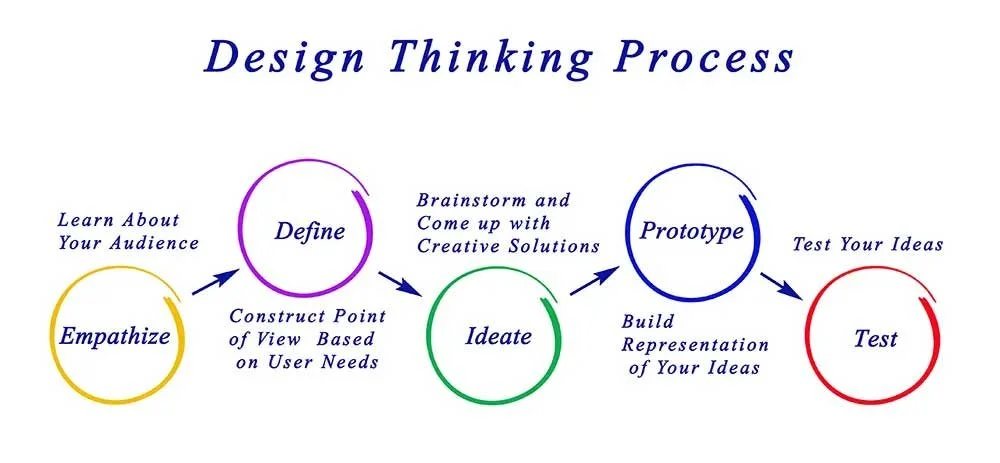
Design Thinking Process
Differences
Aspect
Product DesignerFocus
Big picture: user + business goals, strategy, market fitScope
Broader: entire lifecycle, including roadmap and metricsSkillset
Versatile: strategy, UI, project management, analyticsCollaboration
Cross-functional: engineers, marketers, executives
Aspect
UX DesignerFocus
User experience, usability, emotionsScope
Narrower: interactions and flowsSkillset
Deep in Research, usability testing, interaction designCollaboration
With developers and designers
Responsibilities Comparison
UX Designer duties:
Create wireframes, prototypes, and sketches
Conduct usability testing and research
Troubleshoot UX issues via feedback
Collaborate on elegant, simple products
Product Designer duties:
Define customer needs and intuitive experiences
Work with PMs/engineers on strategy and tactics
Supervise from conception to launch
Perform design reviews and explore concepts
Product Designers handle more strategic oversight.
Who Should You Hire?
Outline your needs first:
Hire a UX Designer if → You need to improve specific interactions, fix usability issues in an existing product, or specialize in research/testing.
Hire a Product Designer if → You're building from scratch, aligning with business strategy, need end-to-end ownership, or work in Agile environments.
Many companies hire both for optimal results, UX for depth, Product for breadth.
Credit: Milad Fakurian
Final Thoughts
The "Product Designer vs. UX Designer" debate persists because roles evolve and overlap, especially in smaller teams. In 2026, with AI tools accelerating prototyping, versatility matters more.
Choose based on your stage: UX for refining user flows, Product for driving growth. Clear job descriptions prevent confusion.
If you're hiring, prioritize candidates who balance user empathy with business acumen, the hallmark of great design talent.