Winning Product Strategy for AI Crypto Exchanges

Credit: Defi-Planet
As a product manager who’s spent years obsessing over product design, user needs, and relentless iteration, I know how brutal it is to launch anything in crypto right now. Regulatory uncertainty, tight budgets, skeptical users still haunted by past collapses, and the endless task of educating newcomers – it’s a lot. But I’ve turned similar chaos into success stories before, and the single most significant shift I see going into 2026 is this: the winning exchanges are making AI a core attribute from day one.
AI is not merely an additional feature; it enhances the platform's security, speed, intelligence, and overall user assistance. Here’s what I do if I’m building a winning product strategy that puts AI at the heart of everything.

Credit: Bozhin Karaivanov
1. The 2026 Crypto Landscape – AI Is the New Battleground
We’re in a golden era.
Total market cap has surged beyond $4 trillion, Bitcoin is flirting with $90k, and daily spot volume regularly tops $150 billion. Over 590 million people now hold crypto, with significant growth in emerging markets such as India, Brazil, Nigeria, and Southeast Asia. Centralized exchanges still dominate 80% of volume (Binance, Bybit, OKX, Coinbase lead the pack), but users are demanding more than low fees and coin variety. They want instant fiat ramps, bulletproof security, personalized experiences, and tools that help them trade better. That’s precisely where AI delivers. From predictive price signals and automated trading bots to real-time fraud detection and personalized dashboards, the exchanges that integrate AI deeply are seeing higher retention, bigger volumes, and stronger trust.
2. Deep User Understanding – Supercharged by AI
Every great product starts with empathy. I always kick off with surveys, interviews, on-chain data, and hours spent on Reddit, X, and Telegram. Common 2025 pain points: high altcoin fees, slow fiat onboarding in emerging markets, fear of hacks, and information overload for beginners. AI makes this research faster and sharper. Use sentiment analysis tools to scan social channels in real time, spot trends, and uncover hidden frustrations. Then build 2-3 detailed personas – like “Carlos, 30, graphic designer in Colombia who wants AI alerts on volatility and simple stablecoin swaps.” The clearer the picture, the better you can target AI solutions.
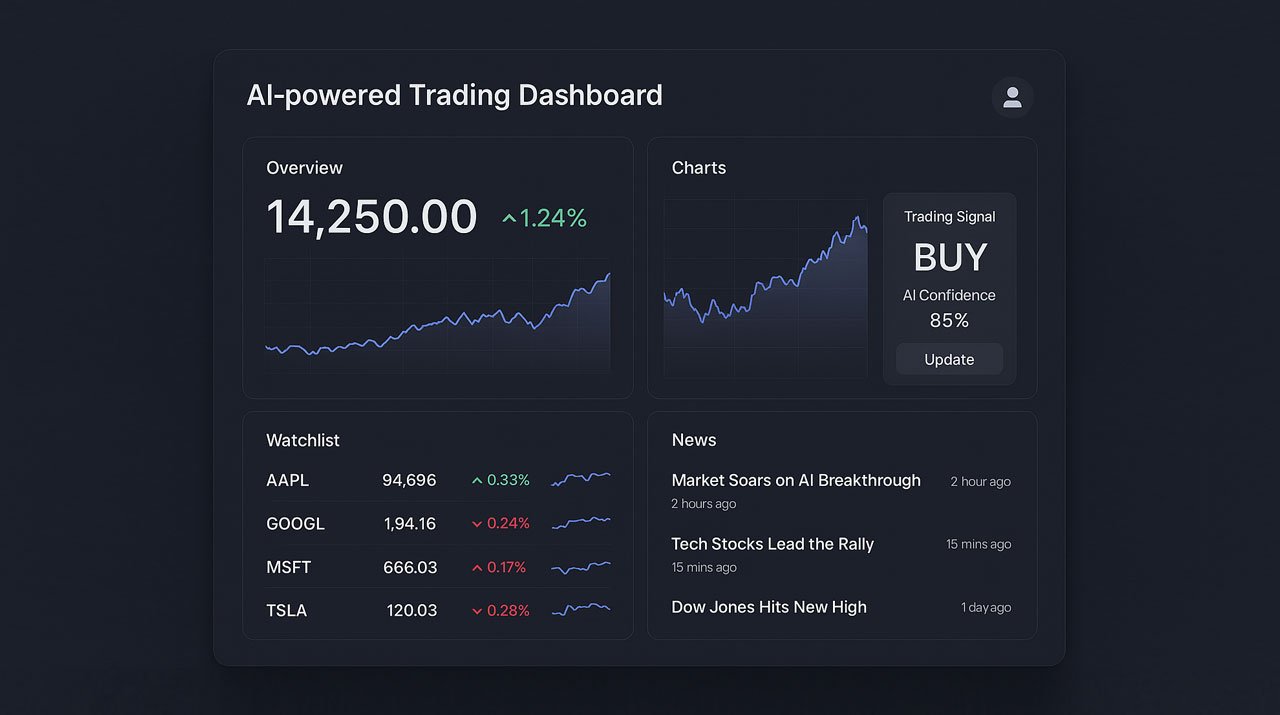
AI Generate Image
3. Craft an AI-First Value Proposition
Your exchange needs a crystal-clear reason to exist. Lead with AI: “The fastest, most secure crypto exchange powered by AI: predictive signals, real-time fraud protection, and personalized tools tailored for emerging-market traders.” Key AI attributes that separate winners from the pack:
Security: AI anomaly detection, real-time risk scoring, and proactive fraud prevention.
Trading Optimization: Predictive analytics, automated bots, and volatility alerts that help users make better decisions.
User Experience: Personalized dashboards, AI chatbots for instant support, and educational content matched to skill level.
Operations: AI-driven liquidity management, KYC/AML automation, and compliance monitoring.
Test this value prop with real users early, I’ve seen platforms that lead with AI convert 30–50% better than those that don’t.

Credit: Bernard Mar
4. Assess the Competition – Spot the AI Gaps
Binance uses AI for risk management, Bybit for trading signals, and Coinbase for compliance. But many still fall short on personalized UX, emerging-market features, or transparent AI (users want to know how decisions are made). Look for underserved niches: AI agents for DeFi, real-world asset (RWA) valuation, or localized fiat ramps with built-in AI fraud checks. Tools like CoinMarketCap and Chainalysis will help you see exactly where AI can give you a real edge.
5. Sketch a Practical AI-Infused Roadmap
Start lean, ship fast, iterate with data. Typical 12-18 month plan:
Q1-Q2 2026: MVP with core trading + AI fraud detection and basic price alerts
Q3: Add AI trading bots, staking rewards optimization, and mobile-first personalized UX
Q4: Full AI portfolio manager, DeFi integrations, and regional expansions with localized AI models
Always prioritize ethical AI: transparency, bias mitigation, and user opt-in controls.
6. Go-to-Market That Showcases AI
Crypto-native channels are still king: X for real-time buzz, Reddit for AMAs, Telegram/Discord for communities, YouTube for tutorials. Highlight your AI features in every piece of content. Run referral programs with AI-optimized incentives. Use AI for targeted ads and personalized onboarding flows. Partnerships with influencers who cover AI crypto tools can give you massive reach.

Credit: Google Analytics
7. Measure, Iterate, and Evolve with AI
Track KPIs: DAU, volume, retention, NPS. Use Google Analytics (GA4) AI Advisor for speed & efficiency (quick answers via chat, bypassing manual report building), deeper understanding (explains data shifts and patterns with visuals), and predictive edge (forecasts trends and behaviors). Gather feedback loops, A/B test AI tools, and pivot fast. If AI co-pilots spike engagement, double down.
Final Thoughts: AI Is the New Moat
In 2026, a great crypto exchange isn’t just about low fees or a long coin list – it’s about delivering intelligence at scale. By making AI a core attribute from the beginning, you create a safer, more innovative, more engaging platform that users love and trust. If you’re building a new crypto exchange (or any product in this wild space), start with deep user understanding, define what makes you truly different, and ship fast - then listen and iterate like crazy. That’s how I’ve turned ideas into success stories, and it’s how you’ll do the same.